
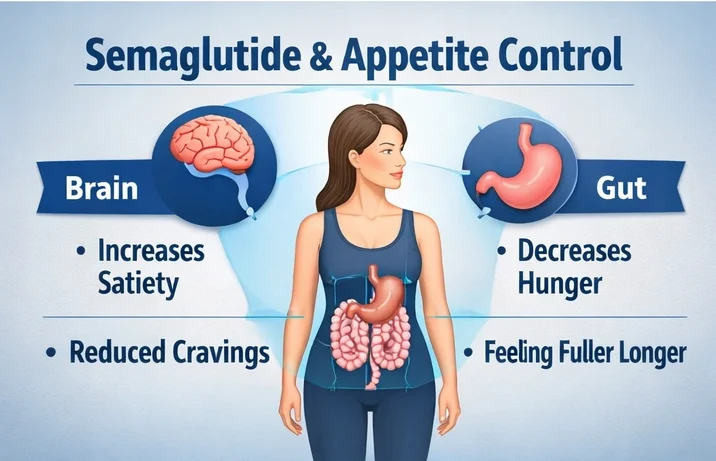
Weight management has shifted from short-term dieting toward medically supported, long-term solutions. Semaglutide has emerged as a leading option for individuals struggling with obesity or weight-related health conditions, offering consistent results when combined with lifestyle changes.
What Is Semaglutide?
Semaglutide is a prescription medication originally developed for type 2 diabetes and later approved for chronic weight management. It belongs to a class of drugs known as GLP-1 receptor agonists, which target the body’s natural appetite-regulating pathways.
Unlike stimulant-based weight-loss products, semaglutide works with existing hormonal signals to support reduced calorie intake and improved metabolic control.
How Semaglutide Supports Weight Loss
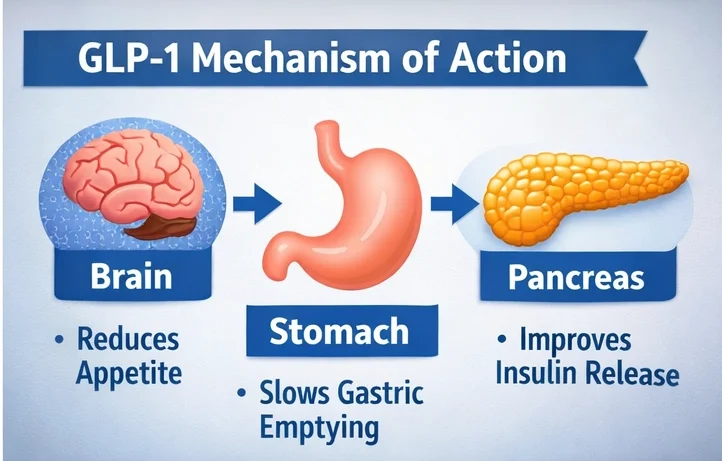
Semaglutide influences several systems involved in hunger and digestion:
- Appetite Regulation (Brain): Enhances satiety signals, helping you feel full sooner and longer.
- Digestive Speed (Stomach): Slows gastric emptying, reducing frequent hunger between meals.
- Blood Sugar Control (Pancreas): Supports insulin release only when blood sugar rises, limiting energy crashes that drive cravings.
This multi-pathway approach explains why many users experience steady, sustainable weight loss rather than rapid rebound cycles.
Expected Weight Loss Results
Clinical studies and real-world use show predictable timelines:
- Weeks 1–4: Reduced appetite and fewer cravings
- Months 2–3: Noticeable weight reduction and improved portion control
- 6 Months: Average loss of 5–10% of starting body weight
- 12 Months+: Many patients reach 10–15% total weight loss with adherence
Results vary based on dosage, diet, activity level, and metabolic factors.
Dosage and Administration
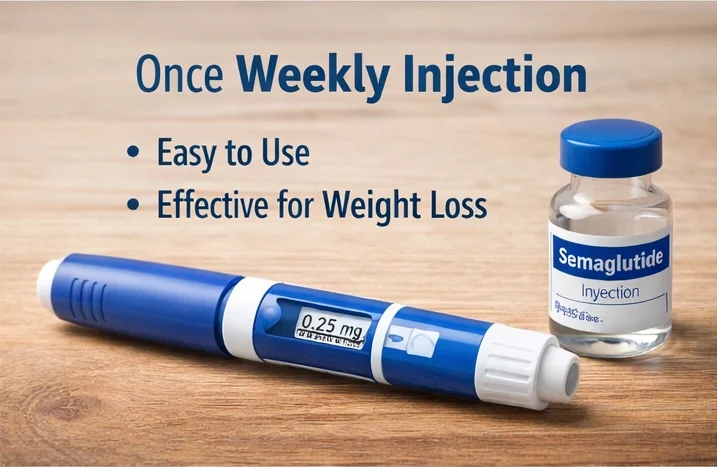
Semaglutide is administered as a once-weekly injection, typically starting at a low dose and gradually increasing. This step-up approach helps minimize side effects and improves long-term tolerance.
Consistency matters more than speed. Skipping doses or rapid escalation often reduces effectiveness.
Common Side Effects
Most side effects are mild to moderate and often improve over time:
- Nausea
- Bloating or fullness
- Constipation or diarrhea
- Reduced appetite
Serious side effects are uncommon but require medical supervision. Semaglutide should always be used under guidance from a licensed healthcare provider.
Who May Benefit Most?
Semaglutide is generally prescribed for adults who:
- Have obesity or are overweight with related conditions
- Have struggled with traditional diet and exercise alone
- Need appetite regulation rather than stimulant-based solutions
- Are committed to long-term lifestyle changes
It is not a cosmetic or short-term weight-loss product.

Lifestyle Still Matters
Semaglutide works best when combined with:
- Balanced, protein-focused meals
- Regular physical activity
- Adequate hydration
- Consistent sleep patterns
The medication reduces biological resistance to weight loss, but habits determine durability.
Final Thoughts
Semaglutide represents a major advancement in weight management by addressing the biological drivers of hunger and overeating. For eligible individuals, it offers a structured, evidence-based path to sustainable weight loss when paired with healthy lifestyle choices.
Always consult a qualified healthcare professional to determine if semaglutide is appropriate for your goals and medical history.